
In terms of the increasingly popular recreation form from public pools, water parks, and resorts by the sea to private facilities today, the requirement for professionals with knowledge of water safety has escalated; millions of persons continue to throng water venues for fun, fitness, or relaxation. Such huge numbers endowed with safety-critical responsibilities have been safeguarded and taken care of by trained lifeguards and aquatic personnel.
Water safety jobs are very diverse. Pool lifeguards, beach patrollers, aquatic facility managers, and emergency responders are just a few of what this profession entails. Boasting life-saving satisfaction, such careers also present opportunities for personal development, leadership, and lifelong advancement.
What is Lifeguard training?
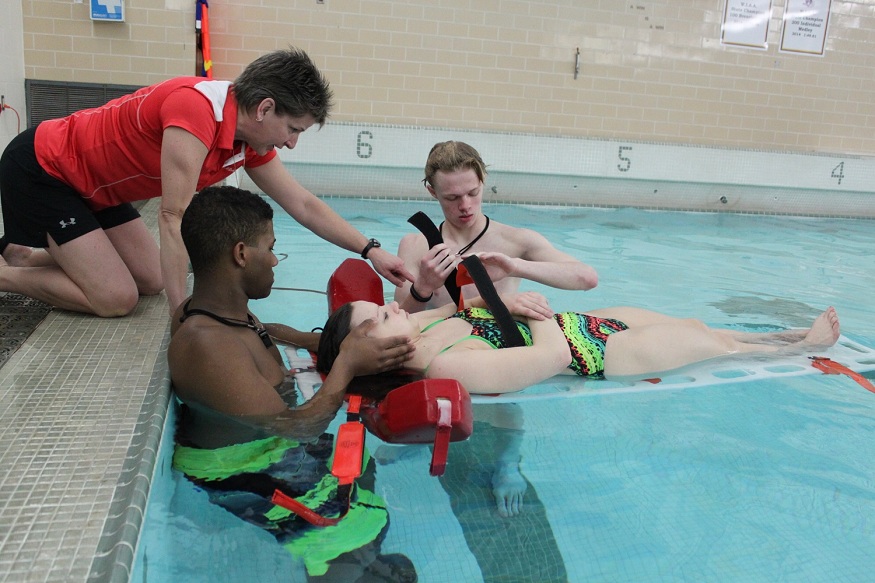
Lifeguard training tends to be the foundational step toward making someone into a certified water safety professional. The training equips the candidate with the physical skills, theoretical knowledge, and mental readiness regarding emergency response to emergencies in aquatic environments. Some of the topics taught in training include the following:
- CPR and First Aid
- Rescue techniques for freeing victims, conscious or unconscious
- Managing spinal injury
- Water surveillance strategy
- Emergency action planning
- Legal responsibilities and ethical conduct
Normally, courses would have attached practical pieces and simulations before having final competency tests, so that potential candidates may feel fully prepared for real-life situations.
Read More: Do My Assignment Services: How They Support Academic Work
Lifeguard Job Opportunities
Once lifeguard training is completed, it opens a vast array of job opportunities. The following are some of the most common positions related to this field:
- Pool Lifeguard
Pool lifeguards are in charge of observing the activities in a community pool, and fitness centre while also enforcing rules and addressing any emergency situation in regard to swimmers. This position finds itself ranked as one of the most favoured summer jobs among high school and college students.
- Beach Lifeguard
Beach lifeguards patrol open waters, such as lakes, rivers, or oceans. Their duties require much less consideration for strong underwater currents, unpredictable weather patterns, and encounters with marine life, instead placing excess demand on training and physical fitness for the capricious natural environment associated with these bodies of water.
- Waterpark Lifeguard
Waterpark lifeguards need to have their attention fast in addressing several working attractions such as wave pools, lazy rivers, and waterslides. Considerable attention to detail would be required to keep an eye on any threat to guests or the equally difficult interference of twice the number of guests and co-workers.
- Aquatic Supervisor/Manager
They say when one door closes, another one opens. That is precisely what this aquatic supervisor or facility manager path is about: fostering the development of leadership abilities in a specialized capacity for those who have experience managing operations, specific workforce coordination, safety protocols, and health code compliance.
- Rescue Diver or Emergency Responder
Specialized roles such as rescue diver or emergency responder may also be found within public safety departments or marine rescue teams. Generally, these positions demand substantial training that exceeds basic lifeguard certification.
Read More: How Brisbane Startups Use 3D Printing to Reduce Product Development Time
Skills Developed Through Lifeguard training
However, a job in water safety is not only for swimming; it builds a varied and very much-valued lifetime skill set:
- Lead: Lifeguards often are in charge of others in high-end, fast-moving situations, making quick decisions, and leading others to safety.
- Communicate: Clear, assertive communication while enforcing rules or coordinating with emergency personnel is key.
- Work as a Team: They work very closely in teams, knowing that on any given day during normal operations or emergencies, a lifeguard can count on others for help.
- Responsibility: A heavy weight is carried by ensuring that people sustain them, which develops a strong sense of accountability and integrity.
Such competencies are transferable since lifeguard training serves as a stepping stone for a career in healthcare, education, law enforcement, and beyond.
Ascent in Career and Lifeguard Instructor
Those wishing to grow in the field, upload to higher lifeguard instructor positions that allow them to mentor the next generation of lifesavers. Instructors will provide certification courses, conduct skill-building sessions, and evaluate the readiness of candidates. It is the best job for every seasoned lifeguard who enjoys teaching and leading.
Furthermore, once with ample experience in the field, this could be the path towards taking a training coordinator, aquatic program director, or even a consultant for private facilities and corporate recreation programs.
Lifeguarding as Career and Not Seasonal
To many who regard lifeguarding just as a seasonal or temporary job, it can become a great and long-term career. ). Municipal recreation departments, cruise lines, resorts, and even government agencies offer year-round employment for qualified lifeguards. Lifeguards can move to high-paying, full-time jobs with benefits and promotion readiness by advanced certifications and experience.
However, even for those not considering it a lifelong pursuit, the training provides credentials and experience that hold value across various fields.
Lifeguard Certification Requirements
Most lifeguard certification programs require a candidate to meet certain eligibility criteria before he can be considered for certification based on the event as follows:
- Minimum Age: Usually, 15 years or older
- Swim Test: For example, the candidate must swim 300 yards without stopping.
- Timed Retrieval: Must dive to a depth of 7 to 10 feet, retrieve a weight and resurface.
- Treading Water: Must show strength and endurance without using hands.
It is indeed followed by a certification, which is valid for a certain period, mostly roughly two years after which one has to renew or get recertified.
Where to Find Lifeguard Training
Depending on your busy schedule, you can find lifeguardprograms at different community centres, aquatic centres, private organizations, schools, colleges, or universities across the country. Programs are very different in both quality and structure, so it is best to research and find one that best suits your needs and is also reputable.
Prospective lifeguards should seek courses or training sessions that include both classroom work and in-water practice and experience from trainers, as well as having clarity about getting certified.
Why Choose the Water Safety Profession?
Choosing a water safety career is really about a higher cause greater than oneself—it is about saving lives. There is no other satisfaction in this world than to know you have helped someone in their lowest moment or to have made it possible for people to create a safe and enjoyable environment.
It is also dynamic and active—most suited for individuals with a penchant for physical fitness, teamwork, and outdoor or aquatic settings. If you are in the beginning stages or looking to add a new, relevant, and impactful focus to life, lifeguarding is the change you could benefit from good blends for service, skill, and option.
American Lifeguard Association
American Lifeguard Association plays a very important role in creating and certifying lifeguards throughout the country. The ALA is very committed to high standards and includes everything a lifeguard training course to prepare an individual for various aquatic environments. Most employers accept the certification from ALA, be it in public recreation or in any private organization.
Innovative means of training combined with a nationwide certified instructor network ensure that the American Lifeguard Association is a safe place for all aquatic settings.
Final Thoughts
It’s not a course; it’s a passage into a rewarding, life-saving profession. Demand is growing, job opportunities are increasing, and there are possibilities for cases of career advancement; water safety proves to be one of the best avenues for passionate, responsible and ready-made difference-makers.
Work as a beach lifeguard, a lifeguard instructor, or even running an aquatic facility made possible by the skills and experience learned through lifeguard training during the years to come.